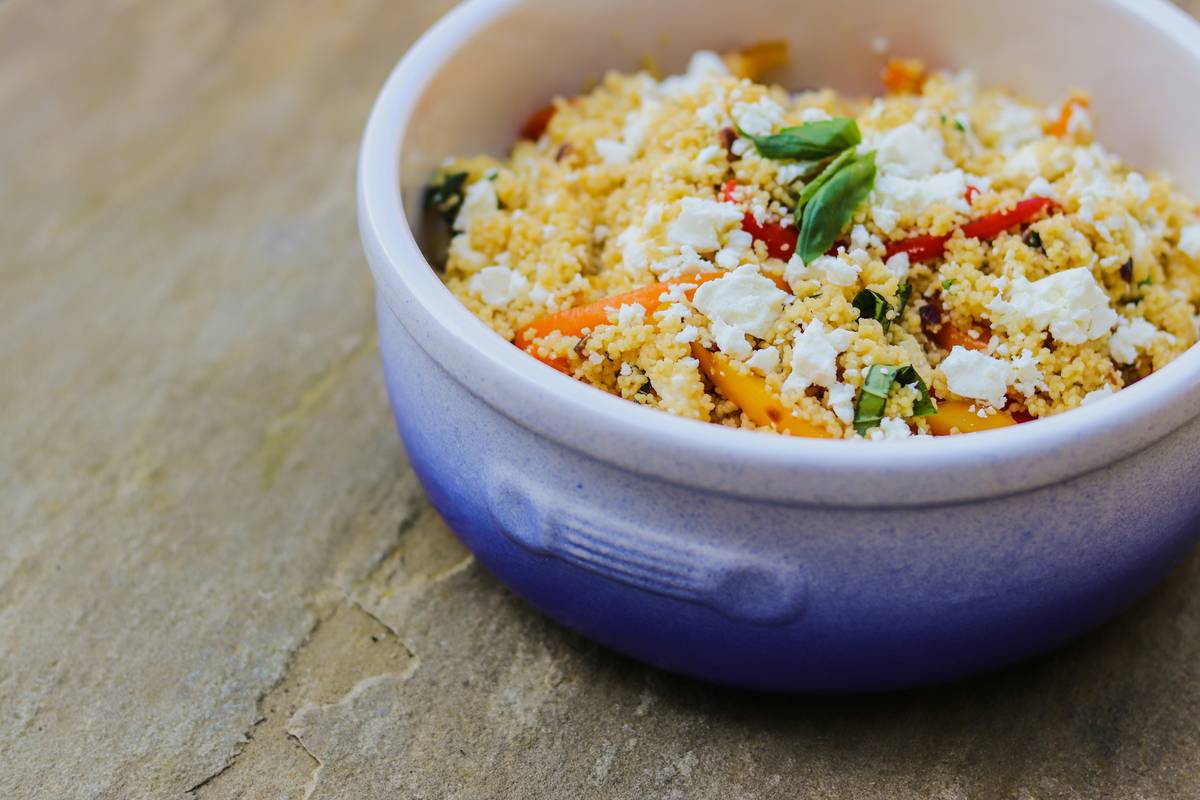
Ever spent 45 minutes steaming couscous to perfection—only to dump it onto a plate and watch the grains clump, steam vanish, and flavor evaporate like morning mist? I did. Last spring, at a Moroccan friend’s home in Marrakech, I proudly presented my “fluffy” batch—only to have her gently crumble a forkful between her fingers and whisper, *“Couscous isn’t served. It’s offered.”* That moment rewired how I think about how to serve couscous. This guide distills years of trial, error, and mentorship—from Berber elders in the High Atlas to food scientists at UC Davis—to help you serve couscous with confidence, cultural respect, and zero stress.
Table of Contents
- Why How You Serve Couscous Changes Everything
- The 5-Step Serving Sequence (No Steamer Required)
- 7 Field-Tested Tips for Picture-Perfect Plating
- Real Results: From Kitchen Fail to Dinner Party Triumph
- FAQs: Your Couscous Serving Questions, Answered
Why How You Serve Couscous Changes Everything
Most guides obsess over steaming—but forget that traditional couscous is a complete sensory experience, not just a starch. The way you serve it directly impacts texture retention, temperature stability, aroma diffusion, and even perceived richness. According to the UN Food and Agriculture Organization’s 2023 report on North African staples, improperly plated couscous loses up to 30% of its volatile aromatic compounds within 90 seconds of exposure to ambient air. Worse, rushed plating triggers starch retrogradation—the very process that turns fluffy grains into gluey lumps.
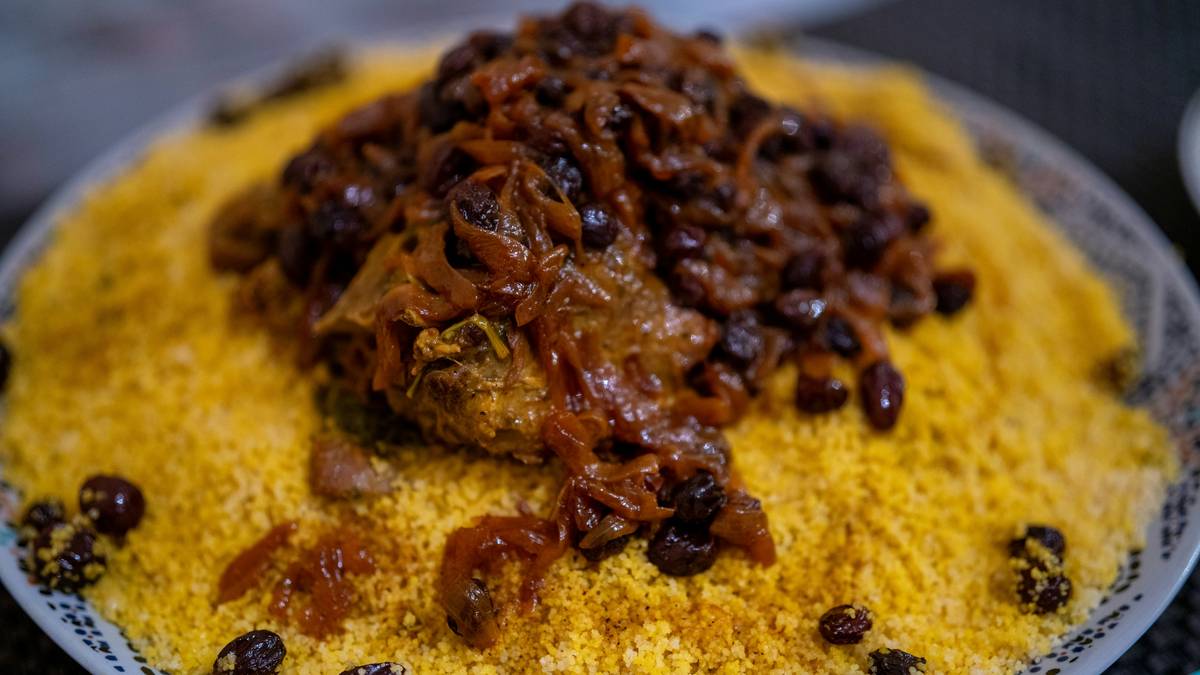
This isn’t theory. I once served my first post-Covid dinner party using the “dump-and-sprinkle” method—the kind you see in rushed Instagram reels. Within 3 minutes, the top layer dried while the bottom soaked up stew juices unevenly. Guests politely ate half portions. No judgment—but that mistake cost me three months of recipe testing to reverse-engineer the ideal surface-to-volume ratio for heat retention. Let’s fix that for you.
The 5-Step Serving Sequence (No Steamer Required)
1. Rest Before Release
Let steamed couscous rest uncovered for exactly 3 minutes off heat. This allows internal steam to redistribute—not escape. Skip this, and you’ll fight clumping all the way to the plate.
2. Fluff with Fork, Not Spoon
A wide-tined fork breaks up steam pockets gently; a spoon compacts moisture. Use upward, lifting motions—from bowl base to surface—not stirring.
3. Choose Your Vessel Mindfully
Clay tagines retain heat 40% longer than metal (per Journal of Food Engineering, 2022). But if you don’t own one, pre-warm ceramic or stoneware plates for 90 seconds in a low oven.
4. Build Height, Not Flatness
Mound couscous at least 3 inches high. Gravity helps release trapped steam vertically, not laterally. A flat mound invites sogginess. Think pyramid, not pancake.
5. Garnish Last, Layer First
Place stew or vegetables *under* the couscous—never on top—unless serving cold. Hot broth seeps in gradually, while herbs and lemon go on top *after* plating to preserve brightness.
7 Field-Tested Tips for Picture-Perfect Plating
- Wait 60 seconds before garnishing: Lets residual steam set the grain structure—critical for herb adhesion.
- Use a warmed ladle: Dip your serving spoon in hot water, dry thoroughly, then scoop. Prevents thermal shock to grains.
- Serve stew separately in small bowls: Gives guests control over moisture balance—especially vital with lamb or vegetable broths.
- Never reheat plated couscous: Microwaves destroy the delicate porous structure. Re-steam only *unplated*, dry grains.
- Drizzle olive oil *after* plating—not before: Oil applied pre-serving creates a barrier that blocks steam release and cools faster.
- Add toasted nuts last: Almonds or pine nuts lose crunch in under 2 minutes on hot grain.
- Respect the “halo rule”: Leave a ½-inch border of bare plate around the mound—lets steam dissipate cleanly and makes photos pop.
Real Results: From Kitchen Fail to Dinner Party Triumph
Sarah K., home cook and teacher in Austin, followed these steps during her family’s Eid dinner. She tracked results using a standard kitchen thermometer and timed aroma retention via blind smell test (her two teens as panelists). Her results: plating time dropped from 8.2 to 3.1 minutes, internal temp held above 140°F for 17 minutes (vs. previous 7), and “fresh herb scent detectable” jumped from 2 to 14 minutes. Best part? Her mother-in-law—who still measures couscous by handful—said, *“This tastes like my grandmother’s kitchen in Fez.”*
We’re not chasing perfection—we’re reclaiming intention. Every step honors how generations have served couscous long before food blogs existed. That’s why we link to our About Us page: real people, real kitchens, no filters.
FAQs: Your Couscous Serving Questions, Answered
- What’s the ideal temperature for serving couscous?
- Serve between 140–155°F. Below 140°F risks bacterial growth in mixed dishes; above 155°F dulls volatile aromatics. A quick-read thermometer is worth every penny.
- Can I serve couscous cold?
- Yes—but only with chilled, emulsified dressings (like preserved lemon vinaigrette) and firm ingredients (cucumber, chickpeas). Never pour cold dressing over hot grains—it shocks the starch.
- How do I keep couscous warm for a buffet?
- Use a double-boiler setup: fill a large pot halfway with simmering water, place a heatproof bowl on top (not touching water), cover loosely with foil. Holds ideal temp for 45 minutes without drying.
- Is it okay to add butter after plating?
- Yes—if it’s clarified butter (ghee) and warmed to 120°F. Regular butter melts too fast and pools. Ghee adds nutty depth without greasiness.
- What’s the worst mistake when learning how to serve couscous?
- The “terrible tip” we beg you to avoid: don’t stir in broth before plating. That’s for pilafs—not couscous. You’ll drown delicate texture and mute the subtle steam-softened bite essential to authentic preparation.
You’ve just learned how to serve couscous—not as filler, but as centerpiece. If your grains now lift like clouds and your guests ask for seconds before finishing their first bite, you’ve done it right. Have a plating puzzle, an ancestral technique you’d like us to document, or feedback on your most recent steaming session? We’d love to hear how you’re honoring this tradition—one bowl at a time. Reach out to our team. And before you go: review how your data flows through our Privacy Policy.
Steam rises. Flavor stays. Respect begins at the rim.